Cellulose
Long, strong chains that act like reinforcing fibres. They give the board its strength.
Every Drevonest piece is built on a board made from crop straw: the stalks left behind after the grain is harvested. Here is how a leftover becomes a material, and the science that makes it work.
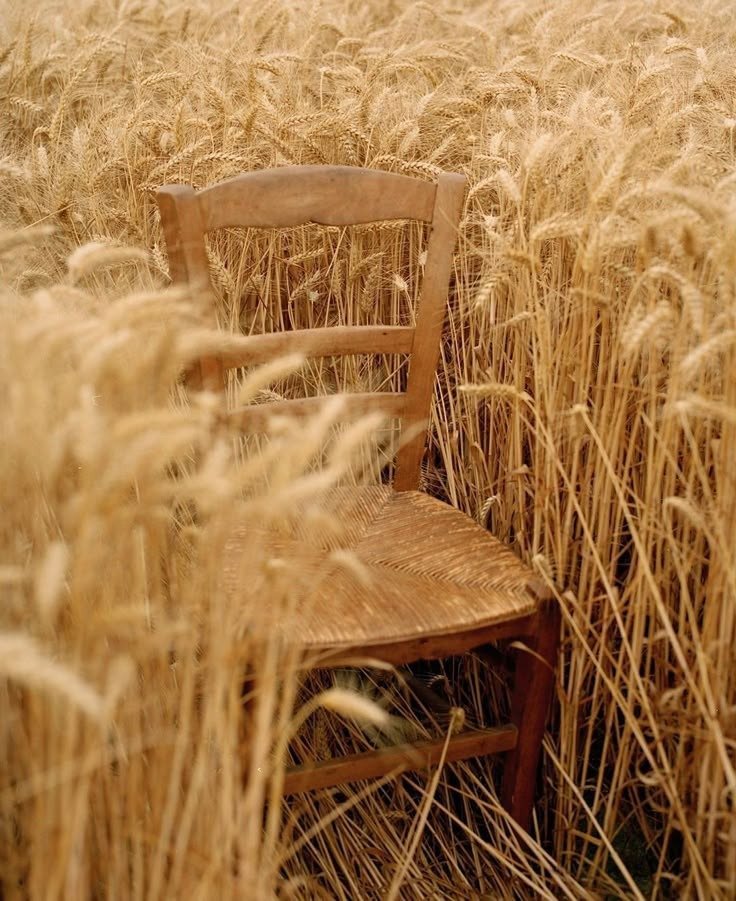
Grain is only part of the plant. The rest, the straw, stays in the field.
Across India, an estimated 90 to 140 million tonnes of crop biomass are burned in the open each year, often because it is the fastest way to clear a field for the next crop. Researchers link this burning to serious seasonal air pollution across the region.
Giving straw a useful second life is one of the alternatives researchers point to. We chose it as the starting point for our furniture.
Sources: IRRI Rice Today · Nature Communications, 2022
Five steps turn what remains of a harvest into furniture you live with every day.
After the grain is harvested, the stalks stay behind. Every season, every field.
The straw is baled and gathered from farms, turning a leftover into a raw material.
It is cleaned and broken down into fine fibres, the part of the plant that carries strength.
Fibres are mixed with a binder, formed into a mat and pressed under heat into a rigid, flat board.
The board is cut, edged and finished, then built into furniture with concealed fittings.
Plant stems are made of lignocellulose: three natural polymers working together. Wood and straw share all three, in different proportions. That shared chemistry is why straw fibre can be engineered into a board.
Long, strong chains that act like reinforcing fibres. They give the board its strength.
Shorter, branched chains that link the cellulose fibres together.
The plant’s natural rigid “glue”, filling the gaps and adding stiffness.
Sources: Applied Microbiology and Biotechnology, 2019 · review of plant feedstocks, 2021. Values vary by variety, region and season.
| Property | Drevonest board | MDF | Particleboard | Plywood |
|---|---|---|---|---|
| Core raw material | Crop straw fibre | Wood fibre | Wood chips and particles | Thin wood veneers |
| Where it comes from | What remains after a grain harvest | Trees and wood residues | Trees and wood residues | Logs |
| How fast the source renews | Every harvest season | Years to decades | Years to decades | Years to decades |
This table compares raw materials only. Performance depends on the board grade, thickness and finish, so we don’t claim one board beats another without a like-for-like test.
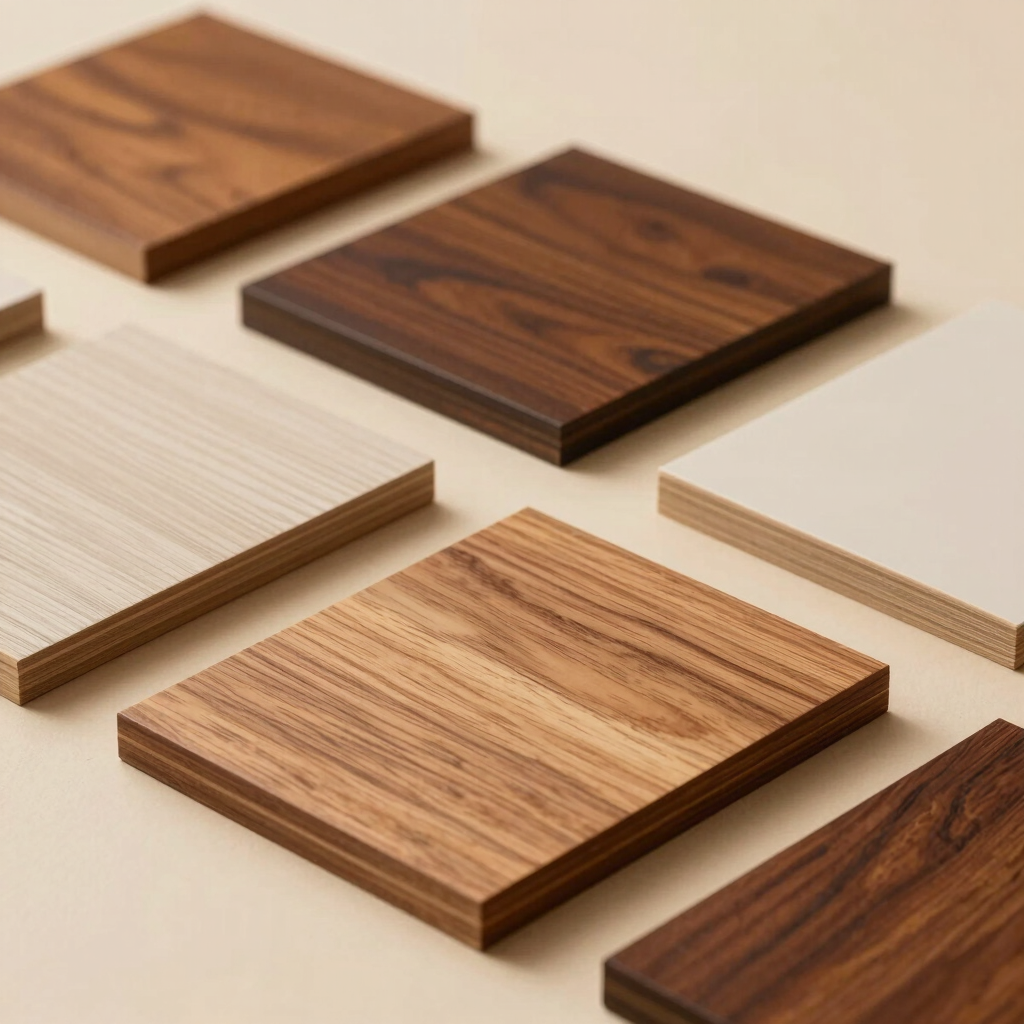
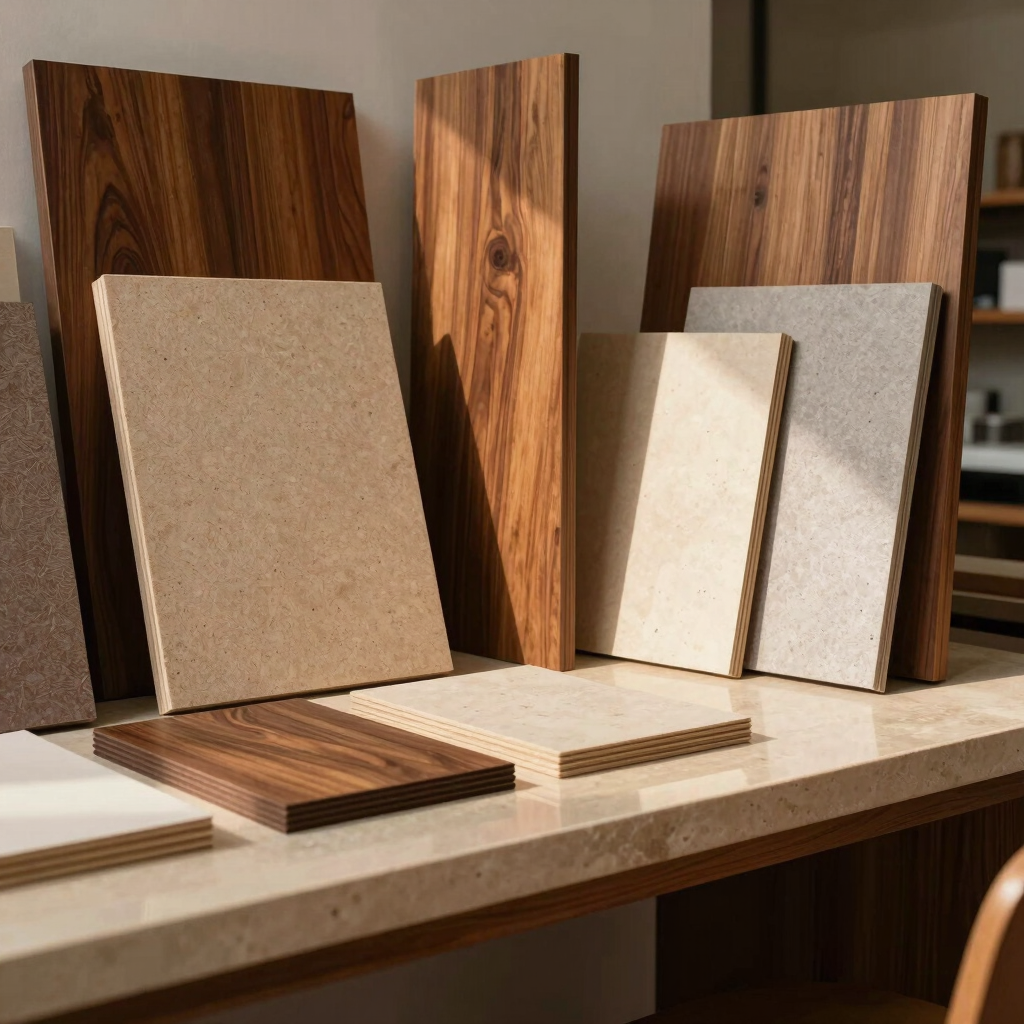
A board only becomes furniture through craft. Ours is shaped by thirty years of furniture experience.
Sustainability language is easy to write and hard to check. So we keep our claims specific, and we share the reports behind them, with an honest note on what each one covers.
Request the reportsThe board core of our furniture is an agricultural-fibre panel made mainly from crop straw, the stalks left in the field after grain is harvested. The boards are finished with surfaces such as laminate, veneer or lacquer. Some pieces also use other components, such as solid wood legs or metal fittings; each product page lists its materials.
The straw is collected, cleaned and broken down into fibres. The fibres are mixed with a binder, formed into a mat and pressed under heat. The heat cures the binder and locks the fibres into a rigid, flat board that can be cut, edged and finished like other engineered panels.
Straw is made of the same three building blocks as wood: cellulose, hemicellulose and lignin. Engineered into a dense board, it can be used much like a conventional particleboard. The mechanical properties of our board have been tested, and we are happy to share the report and explain what it covers.
Yes. The raw board has been tested for formaldehyde and VOC emissions. Contact us to request the report; we will tell you which lab carried out the test, when, and on which sample.
It depends on the whole life of a product: materials, manufacturing, transport, how long it is used and what happens afterwards. What we can say is specific: our board core is made from crop residue instead of timber, and crop residue is produced every harvest season. We do not make carbon claims until they are backed by an independently verified life-cycle assessment.
No. Our furniture is designed for normal indoor living spaces. Like other engineered boards, it should be kept away from standing water, prolonged damp and direct outdoor weather.
Yes. We share them on request, so we can explain what each document covers. Use our contact form and choose “Materials and finishes”.
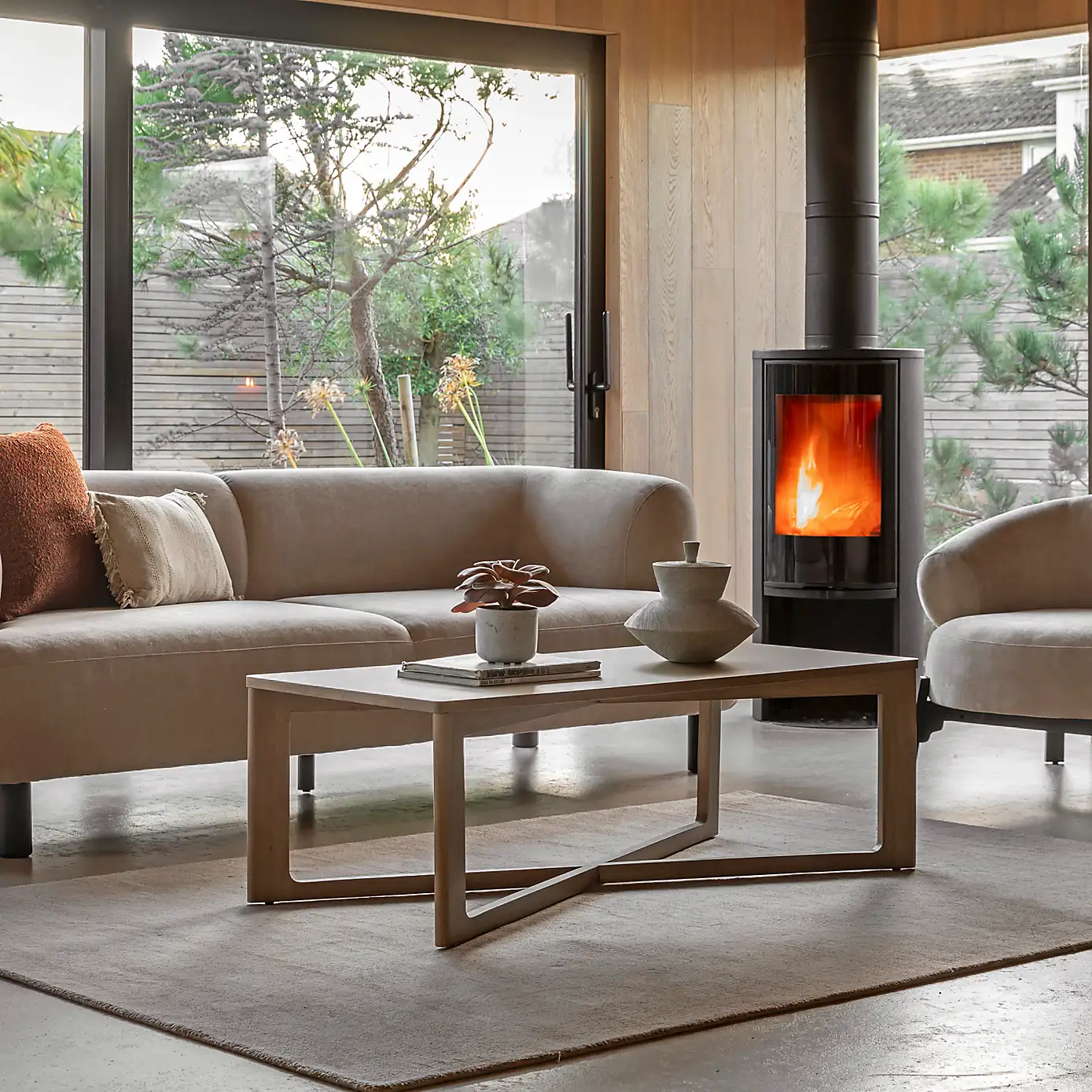
Coffee tables, sideboards, bookshelves and more, all built on the same board.
Explore the collection